
Pinnacle Metals
Ferrous and Non-Ferrous Metals: A Guide for Engineers
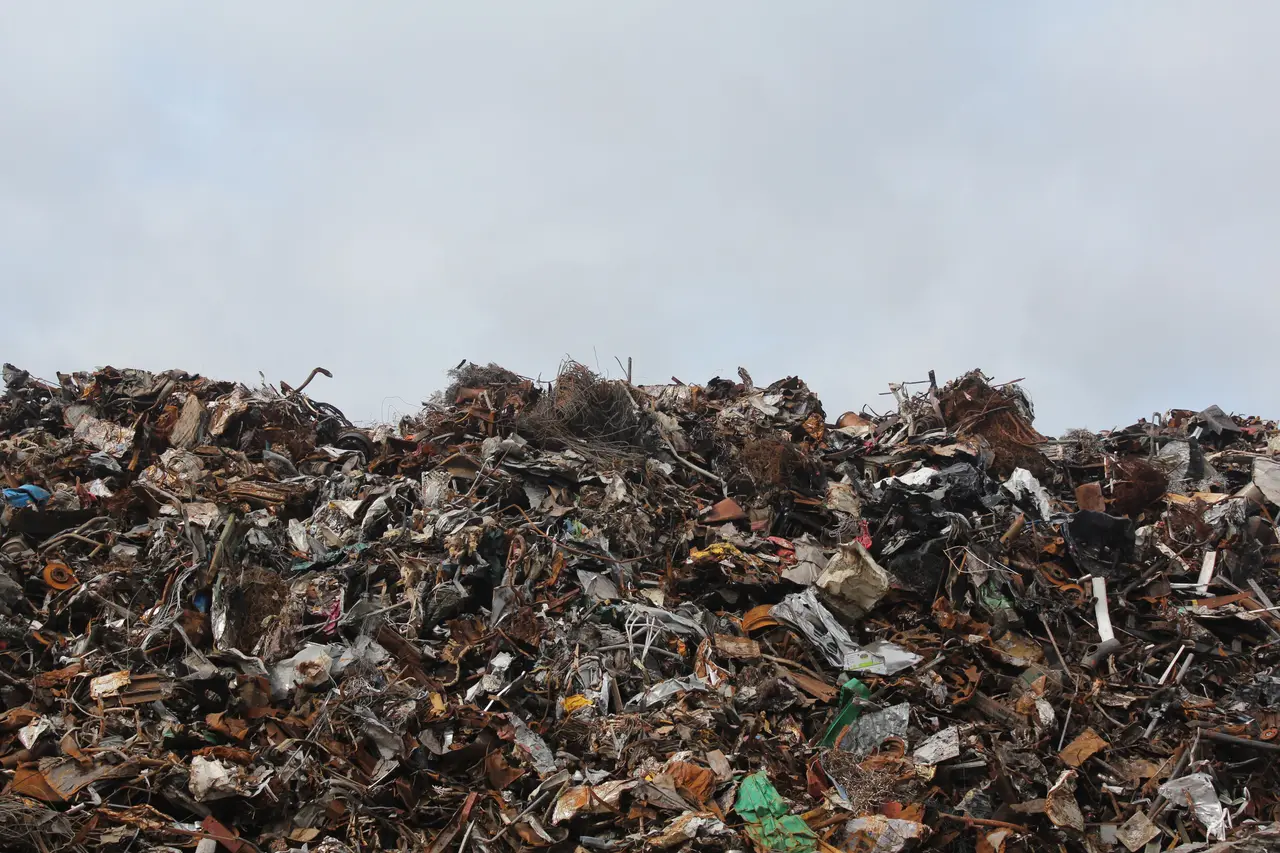
Ferrous metals are iron-based materials, such as carbon steel, cast iron and stainless steel. Non-ferrous metals contain little or no iron as their principal constituent and include aluminium, copper, brass, lead and titanium. The main difference is their composition, which influences strength, corrosion resistance, magnetism, conductivity and suitability for engineering applications.
Choosing between these materials is not simply a matter of strength or cost. A steel component may be suitable for a load-bearing structure, while aluminium can provide weight savings and copper can offer better electrical conductivity.
For engineers, manufacturers and metal buyers, understanding these differences is essential for selecting the right material, evaluating its performance and making informed purchasing decisions.
This guide covers the types, properties and applications of ferrous and non-ferrous metals, explains how to identify them and provides a practical comparison for engineering and commercial use.
What Are Ferrous Metals?
Ferrous metals are metals and alloys in which iron is the principal metallic element. Common examples include carbon steel, mild steel, stainless steel, cast iron and wrought iron.
These materials are widely used in engineering because many ferrous alloys offer high strength, durability and versatility at a competitive cost. Their properties vary according to carbon content, alloying elements, heat treatment and manufacturing processes.
Although ferrous metals are often associated with magnetism and rusting, neither characteristic applies equally to every iron-based alloy. Stainless steel, for example, can provide excellent corrosion resistance, while certain stainless steel grades exhibit little magnetic response.
Types and Examples of Ferrous Metals
1. Carbon Steel
Carbon steel is an iron-based alloy containing carbon, with other elements present in smaller quantities. Its strength, hardness and formability depend significantly on its carbon content and processing condition.
It is used extensively in structural components, machinery, construction equipment and industrial manufacturing.
2. Mild Steel
Mild steel is a low-carbon steel commonly selected for its affordability, formability and weldability.
Typical applications include structural frames, steel sheets, brackets, fabricated components and general engineering work.
3. Stainless Steel
Stainless steel is an iron-based alloy containing at least 10.5% chromium. Its chromium content allows a protective surface film to form, improving resistance to corrosion.
Common grades include 304 and 316 stainless steel. These are used in food-processing equipment, industrial systems, architectural components and marine-related applications, depending on the operating environment.
4. Cast Iron
Cast iron generally contains more carbon than steel and is valued for properties such as castability, compressive strength and, in some grades, vibration damping.
It is used in engine blocks, machine bases, pipes, housings and heavy engineering components.
5. Wrought Iron
Wrought iron is a historically important iron material containing very little carbon and typically incorporating slag fibres. It was used extensively in gates, railings, decorative structures and traditional metalwork.
Today, many products described commercially as wrought iron are actually manufactured from mild steel.
Properties of Ferrous Metals
The properties of ferrous metals depend on their composition and grade, but several characteristics make them particularly useful in engineering.
- Strength: Many steels can withstand significant mechanical loads, making them suitable for structural and load-bearing applications.
- Durability: Suitable ferrous alloys provide resistance to wear, impact and repeated mechanical stress.
- Magnetic behaviour: Carbon steel and many iron-based alloys are strongly magnetic, although some stainless steels are not.
- Corrosion performance: Unprotected carbon steel can rust in moist environments, while stainless steel offers improved resistance under suitable conditions.
- Machinability and weldability: Many ferrous materials can be machined, formed and welded, although performance varies considerably by grade.
- Cost and availability: Common carbon steels are widely available and frequently offer an economical option for structural applications.
Common Applications of Ferrous Metals
Ferrous materials support a broad range of engineering and industrial activities.
Ferrous metal | Common engineering applications |
|---|---|
Carbon steel | Structural components, machinery and industrial frames |
Mild steel | Fabrication, brackets, supports and construction |
Stainless steel | Food-processing equipment, tanks, pipework and industrial fittings |
Cast iron | Machine bases, housings and engine components |
Wrought iron | Traditional architectural and decorative metalwork |
For many projects, ferrous metals provide a useful balance between mechanical performance, availability and manufacturing cost.
What Are Non-Ferrous Metals?
Non-ferrous metals are metals and alloys that do not contain iron as their principal metallic element. Common examples include aluminium, copper, brass, lead, zinc and titanium.
These materials are often selected for specific properties such as electrical conductivity, corrosion resistance, low density or ease of forming.
However, non-ferrous does not automatically mean lightweight, expensive or corrosion-proof. Copper and lead, for example, are denser than aluminium, and the corrosion behaviour of non-ferrous metals depends on both the material and its environment.
Types and Examples of Non-Ferrous Metals
1. Aluminium
Aluminium is a lightweight metal with good corrosion resistance and a high strength-to-weight potential when appropriately alloyed.
It is commonly used in vehicle components, aircraft structures, window frames, construction materials and electrical equipment.
2. Copper
Copper is known for its excellent electrical and thermal conductivity.
It is widely used in electrical wiring, heat exchangers, plumbing systems, motors and industrial equipment.
3. Brass
Brass is a copper-based alloy containing zinc. Its properties depend on the proportions of its constituent elements and any additional alloying elements.
Brass is used in plumbing fittings, valves, connectors, mechanical components and decorative hardware.
4. Lead
Lead is a dense, relatively soft non-ferrous metal with specialised industrial applications.
It is used in certain battery systems, shielding applications and other controlled industrial environments. Its toxicity means handling and use require appropriate safety and environmental controls.
5. Titanium
Titanium offers a favourable strength-to-weight ratio and strong corrosion resistance in many environments.
It is used in aerospace components, selected medical devices, chemical-processing equipment and other demanding engineering applications.
6. Zinc
Zinc is commonly used for galvanising steel, producing die-cast components and manufacturing alloys.
Its ability to provide sacrificial corrosion protection makes it important in construction and industrial engineering.
Properties of Non-Ferrous Metals
Non-ferrous materials offer a wide range of properties that can make them preferable to iron-based alternatives.
- Corrosion resistance: Aluminium, titanium and certain copper alloys perform well in many corrosive environments.
- Electrical conductivity: Copper and aluminium are widely used where efficient electrical current transfer is required.
- Thermal conductivity: Copper and aluminium are commonly selected for heat-transfer applications.
- Weight: Aluminium and titanium can provide useful weight savings compared with steel in appropriately designed components.
- Formability: Many non-ferrous alloys can be shaped into sheets, tubes, profiles and complex components.
- Material value: Some non-ferrous metals command higher prices than common ferrous scrap, depending on grade, quality and market conditions.
These advantages explain why non-ferrous materials are important in electrical engineering, transport, manufacturing and specialised industrial systems.
Common Applications of Non-Ferrous Metals
Non-ferrous metal | Common engineering applications |
|---|---|
Aluminium | Automotive components, lightweight structures and architectural profiles |
Copper | Electrical wiring, motors, heat exchangers and plumbing |
Brass | Valves, fittings, connectors and precision components |
Lead | Specialised batteries and radiation shielding |
Titanium | Aerospace components and selected medical applications |
Zinc | Galvanised coatings, die-cast parts and alloy production |
Ferrous vs Non-Ferrous Metals: Key Differences
The fundamental difference between ferrous and non-ferrous metals is whether iron is the principal metallic element. This distinction often influences material performance, but an engineer should compare individual grades rather than assume every material within a category behaves alike.
For example, carbon steel is generally heavier than aluminium and offers different strength and corrosion characteristics. Copper, although non-ferrous, is denser than steel and is primarily selected for conductivity rather than low weight.
Ferrous and Non-Ferrous Metals Comparison Table
The following table provides a practical comparison of commonly used materials.
Property | Carbon Steel | Stainless Steel 316 | Aluminium 6061 | Copper | Brass |
|---|---|---|---|---|---|
Classification | Ferrous | Ferrous | Non-ferrous | Non-ferrous | Non-ferrous |
Main composition | Iron and carbon | Iron, chromium, nickel and molybdenum | Aluminium-based alloy | Copper | Copper and zinc |
Approximate density | 7.85 g/cm³ | 8.0 g/cm³ | 2.70 g/cm³ | 8.96 g/cm³ | 8.4–8.7 g/cm³ |
Corrosion resistance | Requires protection in many environments | High in many environments | Good in many environments | Good in suitable environments | Good in suitable environments |
Magnetic behaviour | Usually strongly magnetic | Usually weakly magnetic or effectively non-magnetic when annealed | Not ferromagnetic | Not ferromagnetic | Not ferromagnetic |
Electrical conductivity | Relatively low | Low | Good | Excellent | Moderate to good |
Common uses | Frames and machinery | Process equipment and fittings | Lightweight structures | Electrical systems | Valves and fittings |
Typical cost positioning | Generally economical | Higher than common carbon steel | Grade and form dependent | Often relatively high | Grade and market dependent |
Note: Properties and costs are indicative. Actual performance depends on alloy composition, manufacturing condition, product form and service environment. Material specifications should be checked before engineering use.
An engineer comparing these materials should consider not only their initial purchase price but also fabrication requirements, service life, maintenance, availability and total project cost.
How to Identify Ferrous and Non-Ferrous Metals
Metal identification matters in engineering, procurement and commercial metal handling. Incorrect classification can lead to unsuitable material selection or confusion when assessing mixed metal loads.
A practical identification process includes:
- Check the material specification. A verified grade, product marking or material certificate provides stronger evidence than appearance alone.
- Consider magnetic behaviour. A magnet can help identify many ferrous materials, but it cannot reliably distinguish every ferrous alloy from a non-ferrous one.
- Compare weight and density. Aluminium is noticeably lighter than similarly sized steel or copper components, although hollow shapes and assemblies can make visual comparisons misleading.
- Inspect the material's appearance and condition. Surface colour, coatings and corrosion can provide clues, but they are not definitive.
- Confirm the grade when required. Where material identity affects safety, design performance or commercial assessment, appropriate professional testing or verification may be necessary.
For commercial metal loads, separating identified metal types and clearly describing unknown or mixed materials can also simplify assessment.
How Engineers Choose Between Ferrous and Non-Ferrous Metals
Selecting a material involves balancing engineering requirements with manufacturing capability, availability and cost.
A material that performs well in one application may be unsuitable for another, even if both belong to the same metal category.
Strength and Durability
For structural components, engineers assess yield strength, tensile strength, stiffness, toughness and fatigue performance.
Carbon steel and alloy steels are common choices for load-bearing parts because many grades combine useful mechanical properties with established manufacturing processes.
However, strength is not exclusive to ferrous metals. Certain titanium and aluminium alloys provide significant strength while reducing component weight.
The correct choice depends on the loads, geometry, operating conditions and relevant design standards.
Corrosion Resistance and Weight
Environmental conditions often influence material selection.
Unprotected carbon steel can corrode when exposed to moisture and oxygen. Coatings, galvanising and appropriate maintenance can improve its service life.
Stainless steel, aluminium and certain copper alloys may offer advantages where corrosion resistance is important, but their performance depends on the specific environment.
Weight is equally important in transport and mobile equipment.
Aluminium has a much lower density than steel, which can support lighter designs. However, lower density alone does not guarantee a lighter finished component because differences in stiffness and strength may require different dimensions.
Electrical and Thermal Conductivity
Electrical and thermal performance can make non-ferrous metals especially useful.
Copper is widely used in wiring, motors, transformers and electrical connections because it conducts electricity efficiently.
Aluminium is also used in electrical conductors and heat-transfer equipment, particularly where weight and cost considerations are important.
Steel generally offers lower electrical and thermal conductivity than copper or aluminium but may provide mechanical advantages in supporting structures.
Engineers therefore select materials according to the function of each component rather than relying on a single material property.
Cost and Material Availability
Material cost is more than the price per kilogram.
An engineering team may also need to consider:
- The required alloy and grade
- Product dimensions and form
- Manufacturing and machining requirements
- Welding and finishing processes
- Supplier availability and procurement lead times
- Maintenance and expected service life
For example, a material with a higher initial price may be more suitable if it reduces maintenance requirements or enables a longer service life.
Commercial availability also matters. Before finalising a specification, procurement teams should confirm the required grade, dimensions, condition and availability with their suppliers.
Industrial Applications of Ferrous and Non-Ferrous Metals
Both ferrous and non-ferrous metals play essential roles in industrial engineering. Their applications often overlap, with different metals used together in a single machine, structure or product.
Construction and Infrastructure
Steel provides structural strength in buildings, bridges and industrial frames. Aluminium is used in architectural profiles and building components, while copper is widely used in electrical and plumbing systems.
Automotive Manufacturing
Manufacturers use steel for many structural and mechanical components. Aluminium is used where lower weight is beneficial, while copper supports electrical systems and vehicle wiring.
Electrical Engineering
Copper and aluminium are important conductors in power distribution and electrical equipment. Ferrous materials also contribute to motor and transformer designs, including specialised magnetic steel grades.
Industrial Machinery
Steel and cast iron are widely used in machine frames, housings, shafts and other structural components. Brass, copper and aluminium alloys are selected for specific requirements such as conductivity, weight or mechanical performance.
Marine and Process Engineering
Stainless steel, aluminium and suitable copper alloys are used in selected marine and processing applications where corrosion resistance is important. Material compatibility and environmental exposure must still be evaluated.
Manufacturing and Fabrication
Fabrication and engineering businesses commonly work with steel, stainless steel, aluminium, copper and brass.
Understanding how these materials differ helps manufacturers plan production, select suitable grades and identify the metal materials generated through their operations.
Buying and Selling Ferrous and Non-Ferrous Metals in the UK
Ferrous and non-ferrous metals are important not only in engineering design but also in commercial metal trading.
Manufacturers, fabrication companies, engineering workshops and construction businesses may generate surplus materials, production offcuts or metal components that are no longer required.
Identifying these materials accurately helps buyers and sellers discuss their type, grade, condition and potential commercial value.
For example, mild steel offcuts, stainless steel sections, aluminium profiles and copper materials should not automatically be treated as a single category. Their composition and condition can influence how they are assessed.
When discussing a commercial metal load, useful information includes:
- The metal type or known grade
- Approximate quantity or weight
- Whether materials are separated or mixed
- Any coatings, attachments or contamination
- Whether yard delivery or collection is required
Pinnacle Metals handles a range of ferrous and non-ferrous scrap materials, including steel, iron, stainless steel, copper, aluminium, brass and lead.
The company provides a fixed-yard route and collection services for suitable materials, with commercial arrangements available for businesses managing recurring or larger loads.
Frequently Asked Questions
What Is the Main Difference Between Ferrous and Non-Ferrous Metals?
Ferrous metals are iron-based, whereas non-ferrous metals do not contain iron as their principal metallic element. Steel and cast iron are ferrous; aluminium, copper and brass are non-ferrous. This difference affects properties such as magnetism, corrosion resistance and conductivity, although performance depends on the individual alloy.
Is Stainless Steel Ferrous or Non-Ferrous?
Stainless steel is a ferrous metal because iron is its principal metallic element. It also contains chromium, which improves corrosion resistance. Some stainless steel grades, including annealed austenitic 304 and 316, have very little magnetic response, but they remain classified as ferrous metals.
Is Aluminium a Ferrous Metal?
No. Aluminium is a non-ferrous metal because iron is not its principal constituent. It has low density, good corrosion resistance in many environments and useful electrical and thermal conductivity. It is widely used in lightweight structures, vehicles and industrial equipment.
Is Copper a Ferrous or Non-Ferrous Metal?
Copper is a non-ferrous metal. It is valued for its high electrical and thermal conductivity and is commonly used in electrical wiring, motors, plumbing and heat-transfer systems. Copper is not classified as ferrous because it is not an iron-based material.
Is Brass a Ferrous Metal?
No. Brass is a non-ferrous alloy made primarily from copper and zinc. Its properties vary according to composition. It is commonly used in valves, plumbing fittings, electrical connectors and engineering components.
Is Mild Steel a Ferrous Metal?
Yes. Mild steel is a ferrous metal because it is an iron-based, low-carbon steel. It is widely used in construction, fabrication and general engineering because it is relatively economical, readily available and suitable for many forming and welding applications.
Which Is Stronger: Ferrous or Non-Ferrous Metals?
Neither category is always stronger. Many steels provide excellent strength and stiffness for structural applications, but certain non-ferrous alloys, including titanium and high-strength aluminium alloys, also offer substantial mechanical performance. Engineers must compare specific grades and their mechanical properties rather than broad metal categories.
Why Are Non-Ferrous Metals Often More Expensive?
Some non-ferrous metals have higher market prices than common carbon steel because of factors such as production costs, refining requirements, demand and supply conditions. However, price varies significantly by metal, grade and market conditions. Not every non-ferrous metal is more expensive than every ferrous alloy.
Buy and Sell Ferrous and Non-Ferrous Metals With Pinnacle Metals
Understanding the differences between ferrous and non-ferrous metals helps engineers select suitable materials and allows businesses to identify metal loads more accurately.
At Pinnacle Metals, we handle ferrous and non-ferrous scrap metals for individuals and commercial customers, providing material assessment, onsite weighing, and yard delivery or agreed collection options.
Our process includes assessing the material, weighing it onsite, separating materials where applicable, and processing them responsibly. Payment is made on the same day once the material has been processed.
Whether you have steel, stainless steel, copper, aluminium, brass or other accepted metal materials, you can contact our team to discuss your requirements.
Have metal materials to sell?
Contact Pinnacle Metals to discuss the material type, approximate quantity and available collection or delivery options.